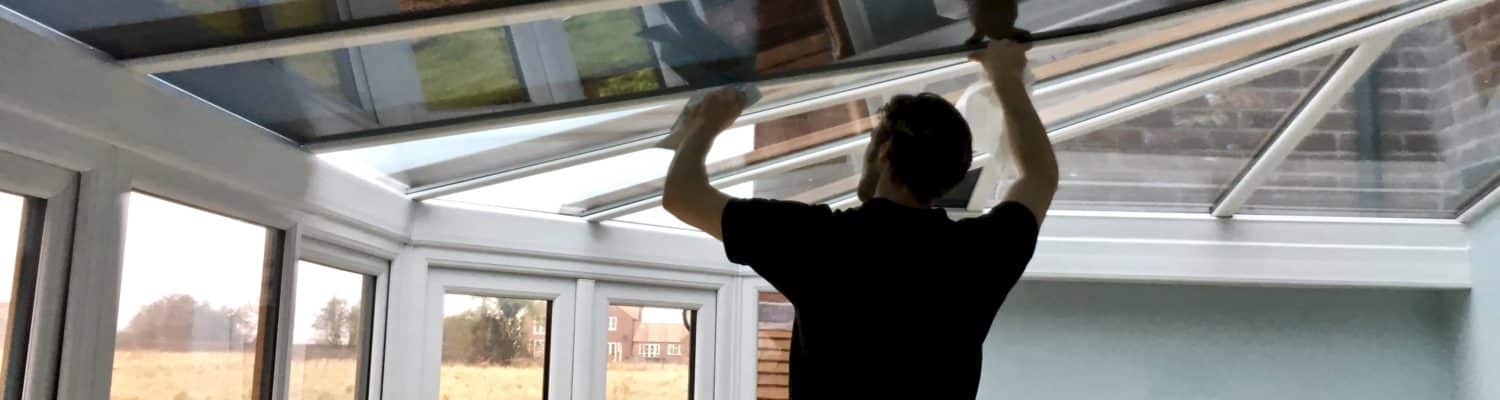

One-way vision, the ability to see out without being seen, is a sought-after feature in many spaces, from offices and interrogation rooms to retail environments. However, achieving true one-way privacy, especially when lighting levels are similar on both sides of the barrier, presents significant challenges. This blog post explores the factors that influence one-way vision and the hurdles in creating effective privacy in spaces with equal lighting.
The Science Behind One-Way Vision
The principle behind one-way mirrors and films relies on a difference in light intensity. The "see-through" side is brightly lit, while the "private" side is kept significantly darker. This contrast allows observers on the darker side to see through the barrier, while those on the brighter side primarily see a reflection. The greater the difference in light levels, the more effective the one-way effect.
The Challenge of Equal Lighting
The illusion of one-way vision breaks down when lighting levels are similar on both sides. Several factors contribute to this:
- Reflection Dominance: With equal lighting, the reflective properties of the barrier become more prominent on both sides. Instead of a clear view through, observers on both sides will see a combination of reflections and a faint view of the other side.
- Reduced Contrast: The lack of a significant light differential reduces the contrast needed for the one-way effect. The eye struggles to differentiate between the transmitted light from the other side and the reflected light from the surface.
- Material Limitations: The materials used in one-way mirrors and films have inherent limitations. They can only reflect and transmit a certain amount of light. When lighting is equal, the balance shifts, and the reflective properties often outweigh the transmission, compromising the one-way effect.
Factors Affecting One-Way Vision
Beyond lighting levels, other factors influence the effectiveness of one-way vision:
- Angle of Observation: The angle at which someone views the barrier can impact the perceived level of privacy. Extreme angles can reduce the one-way effect.
- Distance: The distance between the observer and the barrier can also play a role. Closer proximity may make it easier to discern details on the other side, even with a one-way mirror or film.
- Background Complexity: A cluttered or brightly lit background on the "private" side can reduce the effectiveness of the one-way effect by increasing the amount of light reflected back.
Creating Privacy with Equal Lighting
While achieving perfect one-way vision with equal lighting is difficult, some strategies can improve privacy:
- Strategic Lighting Design: Even with the goal of equal lighting, subtle adjustments can make a difference. Consider using directional lighting to minimize reflections on the "private" side.
- Specialized Films and Coatings: Advanced films and coatings are designed to optimize the balance between reflection and transmission, even in challenging lighting conditions.
- Privacy-Enhancing Design Elements: Incorporate design elements like textured surfaces or strategically placed screens on the "private" side to disrupt the view and enhance privacy.
- Accept Realistic Expectations: It's important to understand that true one-way vision with equal lighting is difficult to achieve. Manage expectations and consider alternative privacy solutions if necessary.
Conclusion
Achieving effective one-way vision in spaces with equal lighting levels is a complex challenge. Understanding the factors that influence the one-way effect and employing strategic design solutions can help improve privacy. However, it's crucial to have realistic expectations about the limitations of one-way mirrors and films in these environments and consider alternative privacy measures when necessary.